Strategic approaches to modern vehicle management
Third-party liability insurance
This covers compensation for material and bodily damage caused to third parties in an accident where you are at fault.

Extended third-party liability insurance
This supplements basic coverage by protecting your vehicle against certain risks such as theft, fire, and natural disasters.

Comprehensive insurance
This provides maximum protection by covering the majority of claims, including damage to your own vehicle, even if you are at fault.

Safe driving
Adopting the right habits behind the wheel
Safe driving relies on anticipation, vigilance, and maintaining safe following distances to reduce the risk of accidents. Adapting your speed to traffic and weather conditions, avoiding distractions such as using your phone, and keeping your vehicle in good condition are essential behaviors for protecting your life and the lives of other road users. Responsible driving also involves courtesy on the road and the ability to react calmly to unexpected events, thus contributing to smoother and safer traffic flow.

Traffic regulations: understanding and respecting the rules
Traffic regulations govern driver behavior to ensure collective safety and orderly travel.
Speed limits, signage, right-of-way rules, and regulations related to alcohol consumption and seatbelt use are designed to prevent accidents and promote smooth traffic flow.
Vehicle types
Different car categories

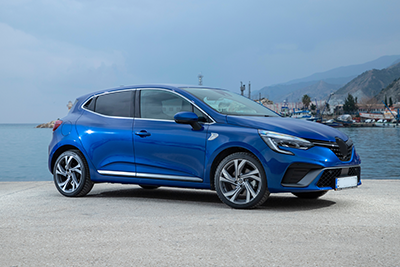


City cars
Compact and maneuverable, they are ideal for urban driving and parking in the city.
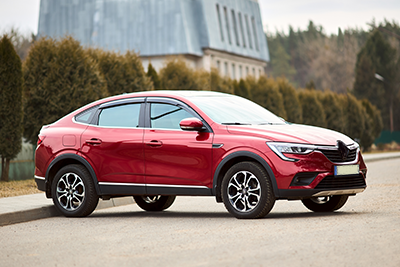
Sedans
Comfortable and stylish, they offer excellent road handling and are suitable for daily commutes as well as long journeys.
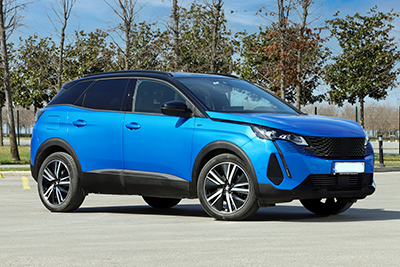
SUVs / Crossovers
Versatile and spacious, they combine a raised driving position, comfort, and capabilities adapted to different types of roads.
Transport and logistics optimization
Global fleet management
Optimized freight routing
Just-in-time delivery
Intermodal shipping solutions

Digital Integration
Harnessing telematics for fleet efficiency
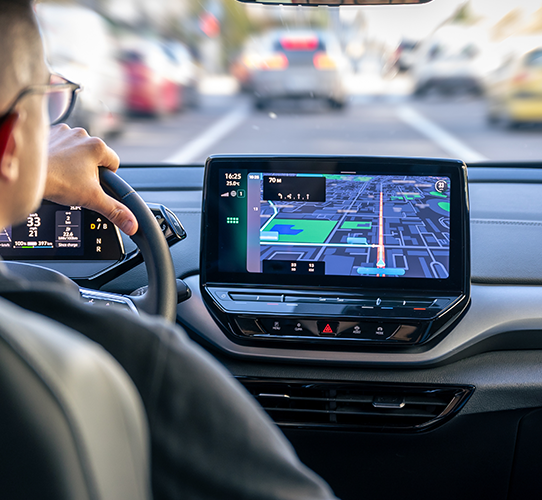
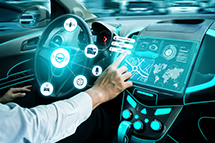
Coordinators utilize sophisticated tracking tools to monitor cargo movement across vast distances. Efficiency increases when route planning software adjusts for weather delays, ensuring that goods reach distribution centers on schedule.

Real-time vehicle tracking systems
GPS modules transmit precise location data instantly to dispatchers.

Predictive maintenance algorithms
Sensors detect engine anomalies before costly breakdowns occur.

Driver behavior analytics
Software monitors harsh braking to improve safety scores.
New technologies and vehicle evolution
Key innovations redefining the automobile
Major technological advances in the automotive industry
Technological advancements are profoundly transforming the modern car, making it safer, more connected, and more environmentally friendly. Driver assistance systems, such as automatic braking and lane keeping assist, enhance safety and reduce the risk of accidents, while in-car connectivity provides real-time access to navigation, traffic information, and digital services.
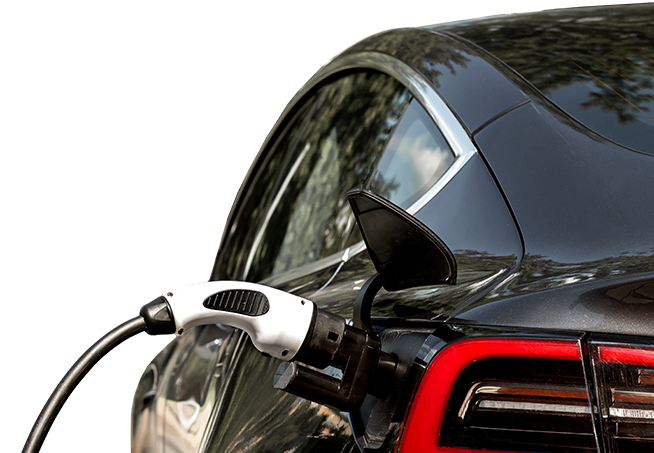
Electric and hybrid powertrains, combined with increasingly efficient batteries, contribute to more sustainable mobility, while artificial intelligence and advanced sensors pave the way for increasingly autonomous driving. These innovations are redefining the driving experience and heralding a new era for the automobile, focused on performance, comfort, and environmental responsibility.
Car tuning: personalize your car with style

Efficient public transport
Developing and modernizing bus, tram, and metro networks allows for the rapid and economical transport of large numbers of people, while reducing car traffic and environmental impact.
Carpooling and car sharing
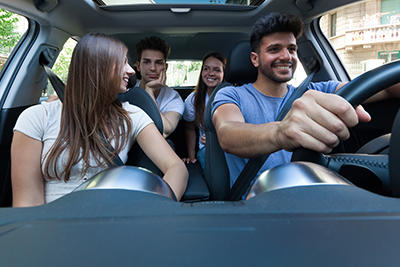
These solutions reduce the number of vehicles on the road, share transportation costs, and limit carbon footprints, while offering valuable flexibility for daily commutes.